
Exercises of Practical Life in Montessori Education
The exercise of practical life is a key component of the Montessori method of education. These exercises in pre-school in hauz khas are designed to help children develop skills related to everyday life, such as dressing themselves, preparing food, and caring for their environment. The exercises of practical life i.e. a mother and child bonding program in delhi are intended to be practical, meaningful, and purposeful, and are an important way for children to develop their independence and confidence. The exercise of practical life in montessori education in south delhi includes a wide variety of activities, such as pouring, spooning, sweeping, and polishing. These activities in day care in south delhi hauz khas are carefully designed to meet the developmental needs of the child, and are introduced in a specific order to help children build skills in a logical and systematic way.
Exercises of Practical Life (EPL) at Crayons Montessori introduce children to purposeful tasks drawn from everyday routines. Activities are structured so children can practise practical movements, follow steps and gradually take responsibility for their work. The programme develops control of movement and coordination through doing. Practical Life connects classroom learning with familiar actions that have a clear purpose, helping children understand why each step matters.
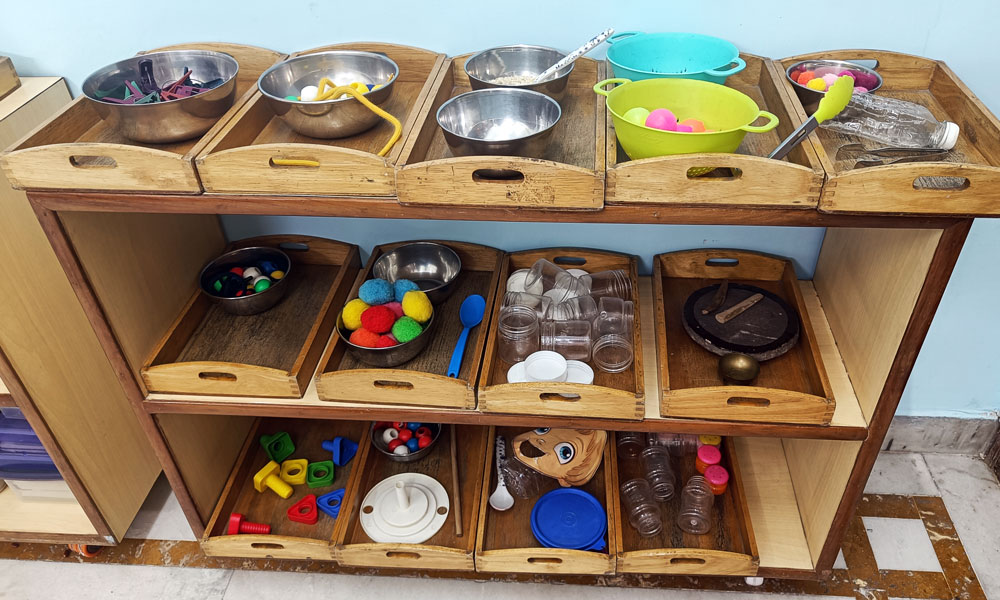
The exercise of practical life in play school in hauz khas also emphasizes the importance of developing fine motor skills and hand-eye coordination. Many of the activitiesinplay school in south delhi involve the use of small, precise movements, which help children to develop their hand control and manual dexterity. The exercise of practical life is an important way for children to develop a sense of responsibility and to learn how to care for themselves and their environment. By participating in these activities, children learn how to be independent, self-reliant, and respectful of others. The exercise of practical life helps in mother and child bonding program in south delhi and is an integral part of the Montessori method of education, and is an important way for children to develop the practical skills and habits that will serve them well throughout their lives.
Examples of Practical Life Activities
Activities include pouring, spooning, sorting, transferring objects, buttoning, folding, cleaning and caring for the surroundings. Each uses a sequence of movements. For example, transferring requires careful handling, while folding asks children to align and control material. After completing an activity, children return the materials to their designated place. This gives them practice in following a sequence and caring for a shared workspace.
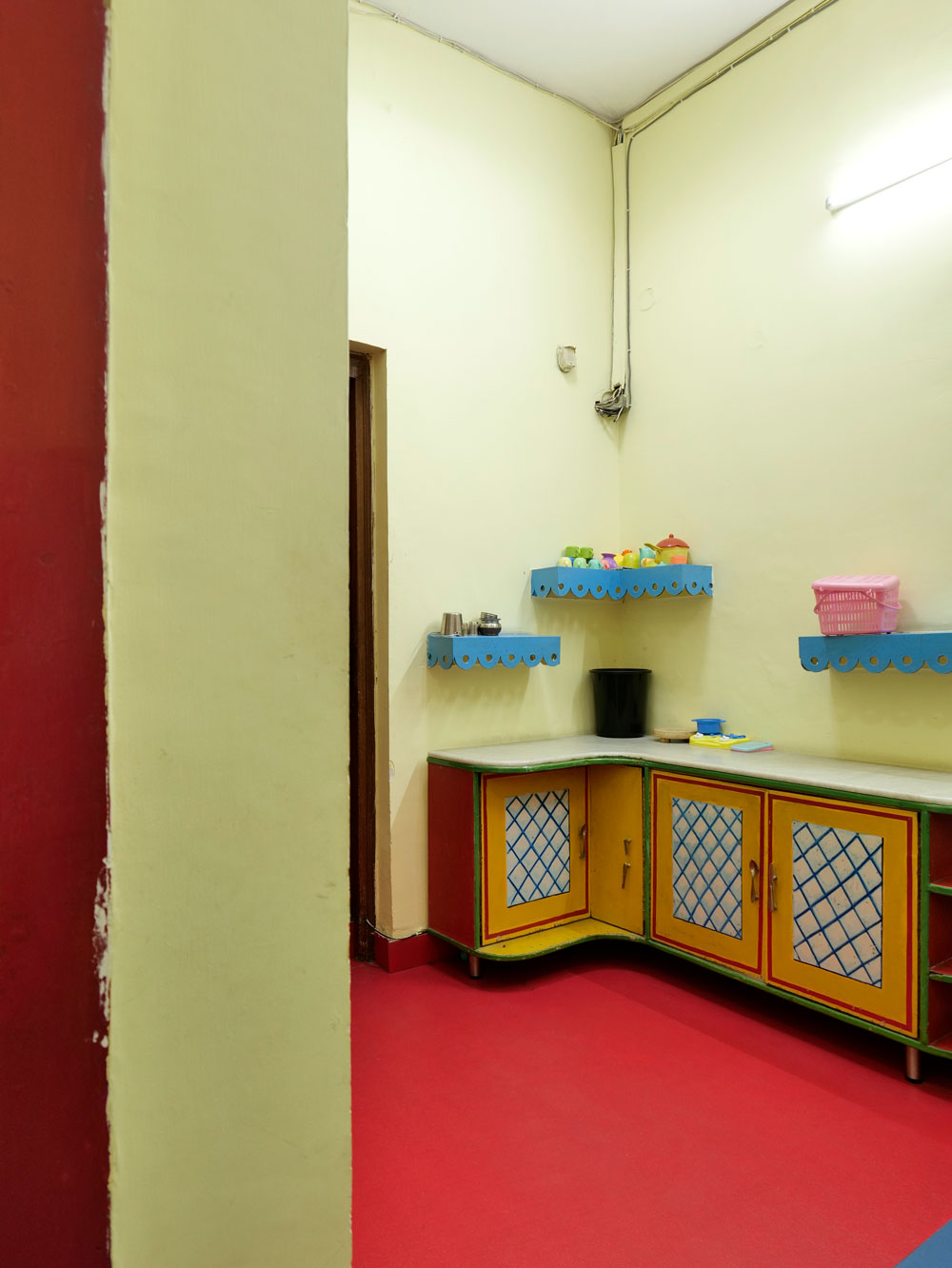
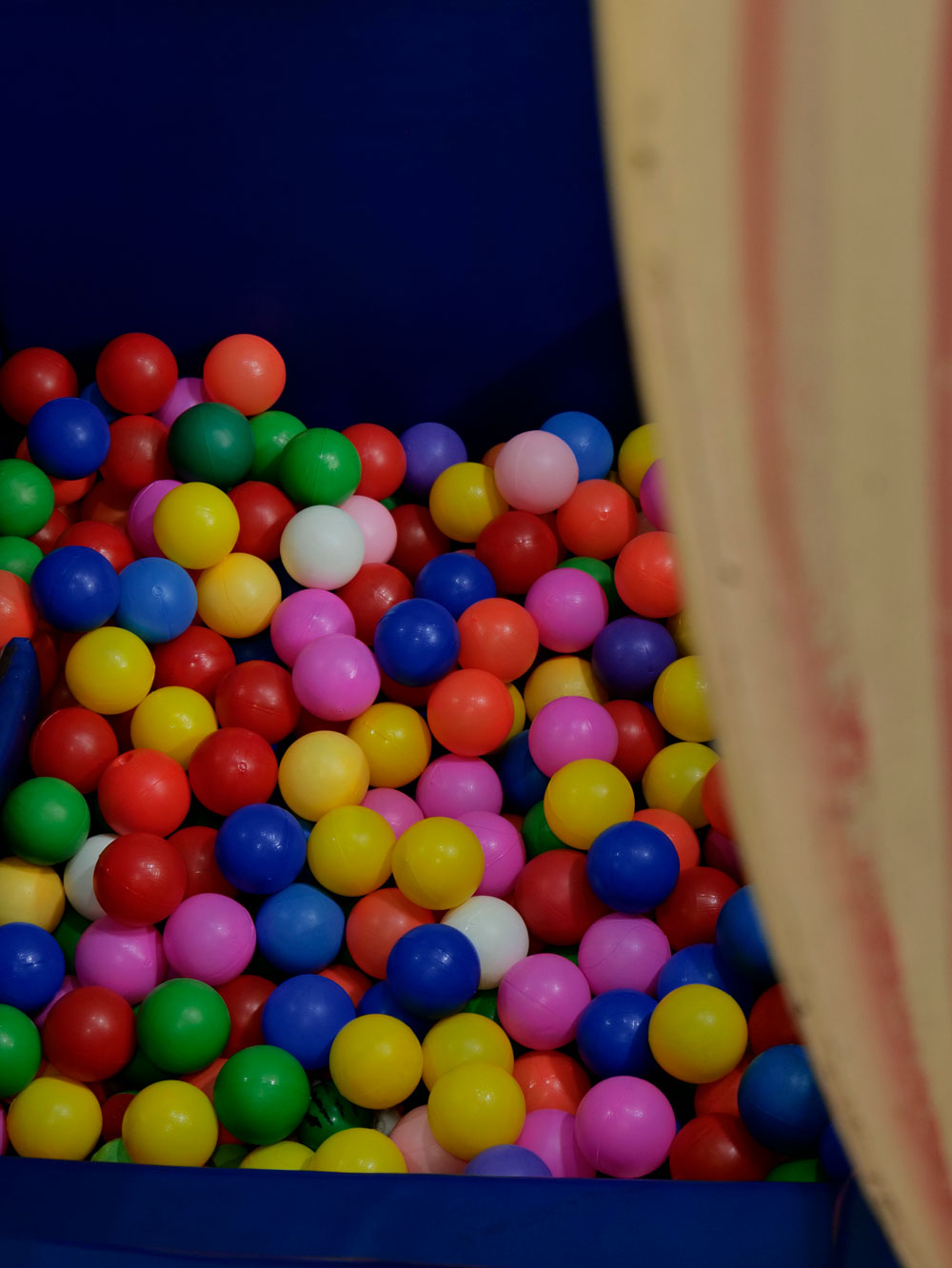
Fine Motor Skills and Hand-Eye Coordination
Pouring, spooning, buttoning and transferring ask children to guide their hands carefully while watching what they are doing. These tasks can strengthen fine motor control and hand-eye coordination.
Concentration, Order, and Responsibility
Many EPL tasks require children to stay with a sequence until it is finished. Repeating a task can help them become familiar with its steps and maintain attention. Materials are kept in a consistent place, and children are encouraged to restore the work area when finished. These routines introduce order and show how individual actions affect a shared space.
Growing Independence Through Practice
The aim is to help children manage more of a task as their skills develop. Adults may demonstrate or guide an activity at first, then step back as children become more confident. The coordination and orderly work habits developed through EPL can support children’s participation in other Montessori activities.
Practical Life at Crayons Montessori
At Crayons Montessori, the EPL programme connects practical action with early learning. Children practise everyday tasks with guidance suited to their abilities and take increasing responsibility for the materials they use.
Frequently Asked Questions
Exercises of Practical Life are purposeful activities inspired by everyday tasks. They help children practise movement, coordination, concentration, order, responsibility, and independence through direct experience.
Our programme includes pouring, spooning, sorting, transferring objects, buttoning, folding, cleaning, and caring for the surroundings. The precise activities offered may vary with children’s developmental readiness.
Pouring requires children to coordinate their hands and eyes, control movement, and pay attention to what they are doing. It also gives them a clear task to practise from beginning to end.
These activities encourage careful handling, controlled movement, and repeated practice. They can support fine motor skills and hand-eye coordination while helping children focus on a sequence.
Yes. A child can practise focusing on the steps of an activity and continuing until it is complete. Repetition can help build familiarity and sustained attention appropriate to the child’s stage.
Folding and buttoning involve coordinated, controlled hand movements and attention to detail. These tasks give children opportunities to practise fine motor control and carry out a sequence of actions.
Caring for materials and the environment introduces children to order and responsibility. Children can practise returning items to their place and understanding how their actions affect a shared space.
Children may need guidance when first introduced to an activity. As they become more familiar with the steps, they can take increasing responsibility according to their readiness.
Coordination, concentration, control of movement, and orderly work habits can help children engage with other Montessori materials and learning activities.
No. The focus is on practice, effort, and gradual development. Children benefit from opportunities to repeat tasks, refine movements, and grow in confidence rather than being rushed towards perfection.